

Gas furnaces are reliable, but they remain safe only with steady airflow, clean combustion, and proper venting. Small changes, like a blocked return vent or a flimsy battery in a carbon monoxide detector, can put your family at risk. At Canady’s Heating, Air, & Plumbing in Savannah, GA, we help you keep your furnace running safely with inspections and maintenance that focus on the parts that protect your home.
1. Carbon Monoxide Risks and What They Look Like in Real Life
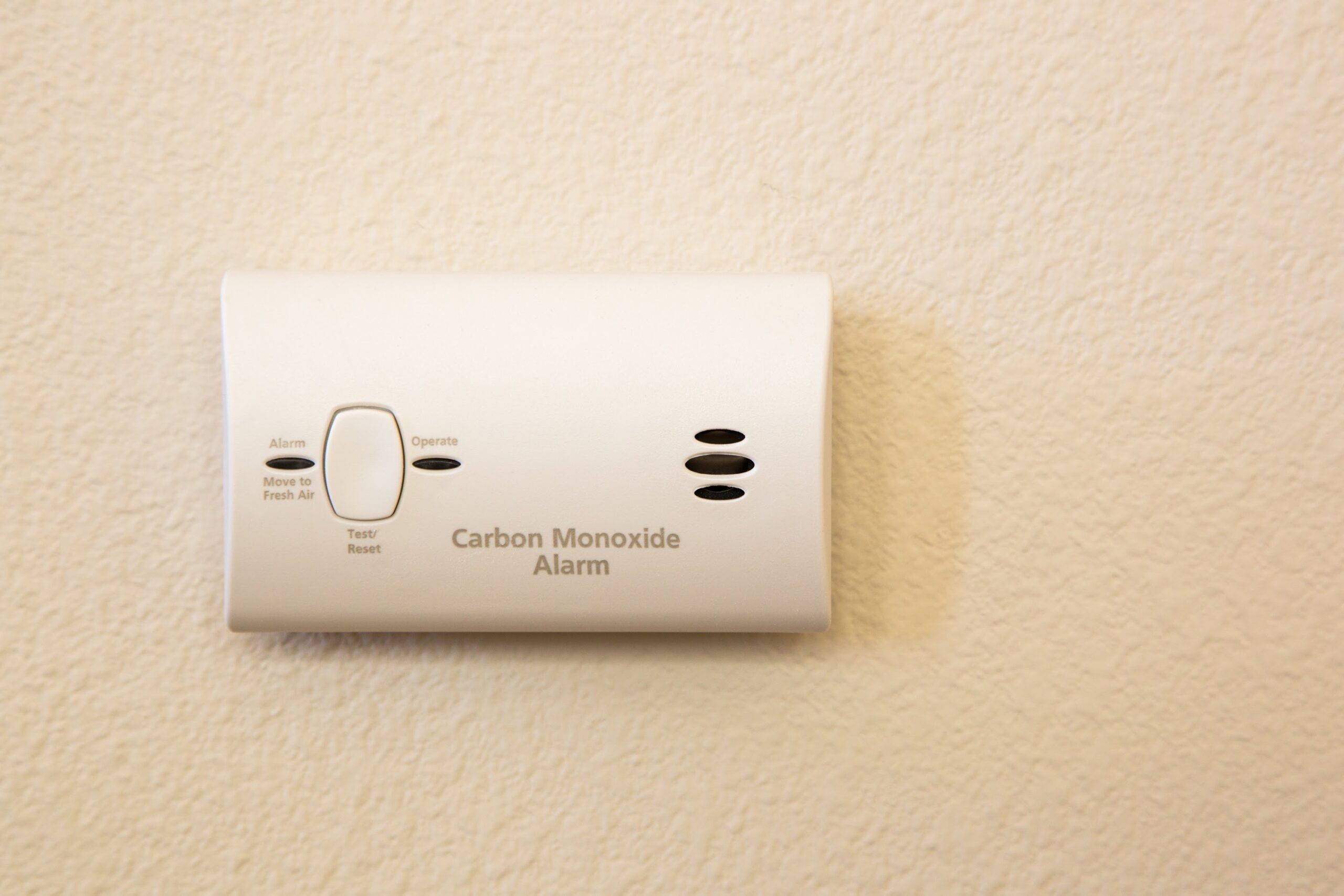
Carbon monoxide is a major safety concern with gas heating because it is invisible and odorless. It forms when fuel does not burn cleanly or when exhaust cannot exit the house as intended. This can occur when a vent pipe is loose, a chimney flue is blocked, or a furnace is starved for air because a closet or utility room is packed with stored items. Carbon monoxide exposure can feel like a bad flu at first. Headaches, dizziness, nausea, and unusual fatigue can show up in more than one person in the home at the same time.
2. Gas Leaks, Odors, and When to Shut Things Down
Natural gas and propane suppliers add a strong odorant to help you notice leaks. Many people describe it as a rotten-egg smell. If you smell gas, avoid flipping switches, using a garage door opener, or doing anything that could create a spark. If it is easy, open a door on your way out, then leave the home and call the gas utility or emergency services from outside. If you live in a multifamily building, alert neighbors as you leave.
Small odor events can also happen near the furnace at startup. A brief dusty smell at the beginning of the season can be normal as the system burns off light dust on the heat exchanger. That smell should fade fast. A persistent chemical smell, a sharp, gassy odor, or a smell that gets stronger each time the furnace runs is a different situation. It could be a leak, a venting issue, or improper combustion. If you are unsure, treat it as a safety issue and shut off the furnace. A professional can use the right tools to check fittings, valves, and combustion performance without putting you at risk.
3. Venting and Airflow: The Quiet Parts That Keep You Safe
A gas furnace needs two things to operate safely: a steady supply of combustion air and a clear path for exhaust to leave the building. If either side is disrupted, you may experience poor combustion, soot buildup, or exhaust entering the home. Venting problems can come from loose connections, corrosion, a blocked termination outside, or a chimney issue. Air supply problems can arise from a furnace installed in a tight space, a door that stays closed, or a room packed with stored items that restrict airflow.
Keep the area around the furnace open and uncluttered. That is not just for convenience during service visits. It helps the system pull air properly and reduces the chance that stored materials will interfere with burners or vent piping. If your furnace is in a closet, treat the closet as a mechanical space, not a storage area. Pay attention to any signs of vent trouble, such as new soot marks around the furnace cabinet, moisture streaks on nearby surfaces, or a stale, exhaust-like smell near the unit.
4. Filters and Return Air: Small Habits That Protect the System
A clogged filter can create a chain reaction. It restricts airflow, which can cause the furnace to run hotter than it was designed to. It can also cause the system to cycle off due to safety limits, then restart and cycle again. That pattern is hard on components and can make your home feel uneven, with some rooms warm and others stubbornly cool. Replacing filters on a regular schedule is one of the simplest ways to ensure safe operation, even though it may feel like a small task.
Use the correct filter size and type for your system. A filter that is too restrictive can cause the same airflow problems as a dirty filter, even if it is brand new. If you are not sure what your system can handle, ask a technician during your next service visit. Also, keep return grilles clear. Furniture, rugs, and stacked boxes can block return air, forcing the blower to work harder. If you host guests in winter and rearrange rooms, check that a couch or a pile of suitcases isn’t blocking a return. These small changes can alter airflow and affect how the furnace operates during a busy week.
5. Sounds That Point to Wear, Loose Parts, or Airflow Trouble
Every furnace has a normal sound profile. You may hear a soft click at ignition, a steady blower hum, and a gentle rush of air through ducts. When sounds change, pay attention. Metal popping can happen as ductwork warms and cools, especially in older homes. A new scraping, grinding, squealing, or rattling sound is different. Those noises can indicate a worn blower motor, a loose wheel, a failing bearing, or a vibrating panel caused by a missing fastener.
Ignition sounds matter too. A loud boom at startup, repeated clicking, or delayed ignition can signal a burner or ignition issue. Those problems can stress the system and create unsafe conditions. If you hear a sound that makes you flinch, shut off the furnace and schedule service. Waiting can turn a simple repair into a larger failure, especially if a moving part is rubbing or a motor is overheating. A technician can pinpoint the source, correct it, and confirm the furnace is cycling safely and consistently.
Annual Professional Inspections and What They Cover
A trained technician can assess items you cannot evaluate safely, including combustion performance, heat exchanger condition, gas pressure, and venting integrity. They also test safety controls that shut the system down ifan issue occurs. During a visit, the technician can clean components, tighten connections, and confirm that the system starts, runs, and shuts down as expected.
Inspections also help you plan. If a part is wearing out, you can address it before it fails on a cold night. If venting shows corrosion or a connection is loose, you can address it before the exhaust becomes an issue. If the furnace is nearing the end of its service life, a technician can explain what to watch for and what the replacement process entails. This keeps you in control of timing and budget, rather than reacting to a surprise shutdown.
Keep Your Home Safer This Season
Gas furnace safety is not about overthinking every sound your system makes. It is about spotting risk early and addressing it before it escalates. We provide furnace inspections, repairs, and replacements that focus on safe operation and reliable comfort.
Schedule a furnace safety check with Canady’s Heating, Air, & Plumbing today so that you can heat your home with more confidence.